On November 20, 2026, the Potential Field Multimodal Communication (MultiCom) held its second workshop at the Gästehaus der Goethe-Universität in Frankfurt. Six months after the kick-off in Bad Homburg, the workshop had two aims: to present first results from the Short-Term Collaborations (STCs) funded over the summer, and to discuss together where MultiCom could go from here.
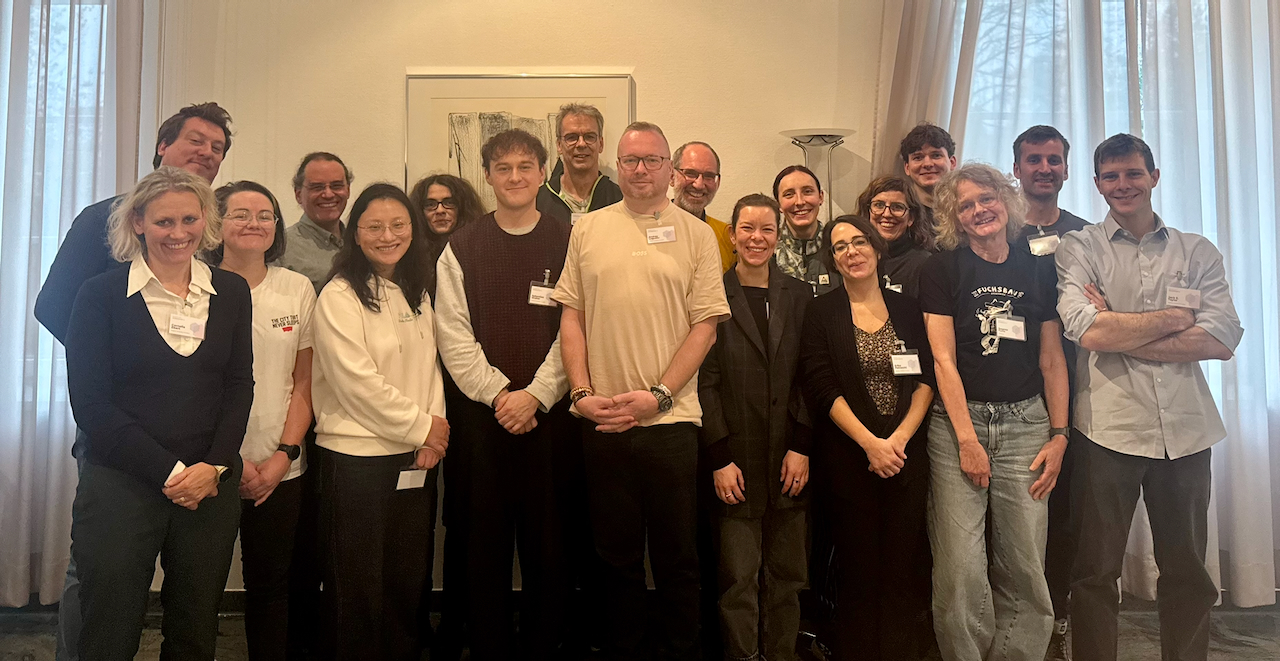
The call for STCs ran from late May to late June. We had originally planned to fund five collaborations; in the end, eleven STCs were funded, bringing together researchers from linguistics, psychology and neuroscience, theater studies, anthropology, and film and media studies. All eleven presented their work in four thematic sessions: prominence and salience, meaning under repetition, perception across modalities, and tools for collecting, assessing and showing multimodal data. The workshop program can be downloaded here: Program (PDF)
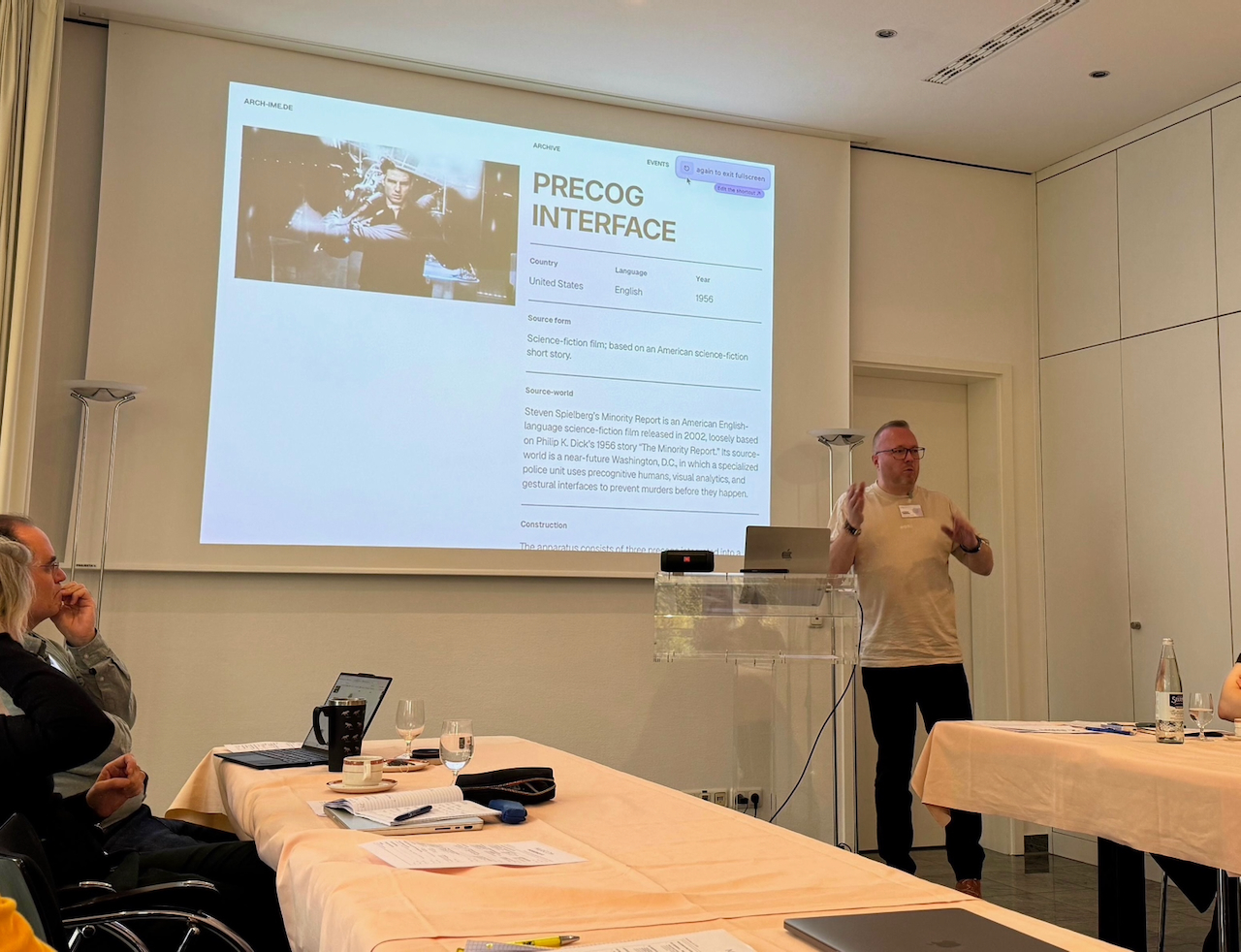
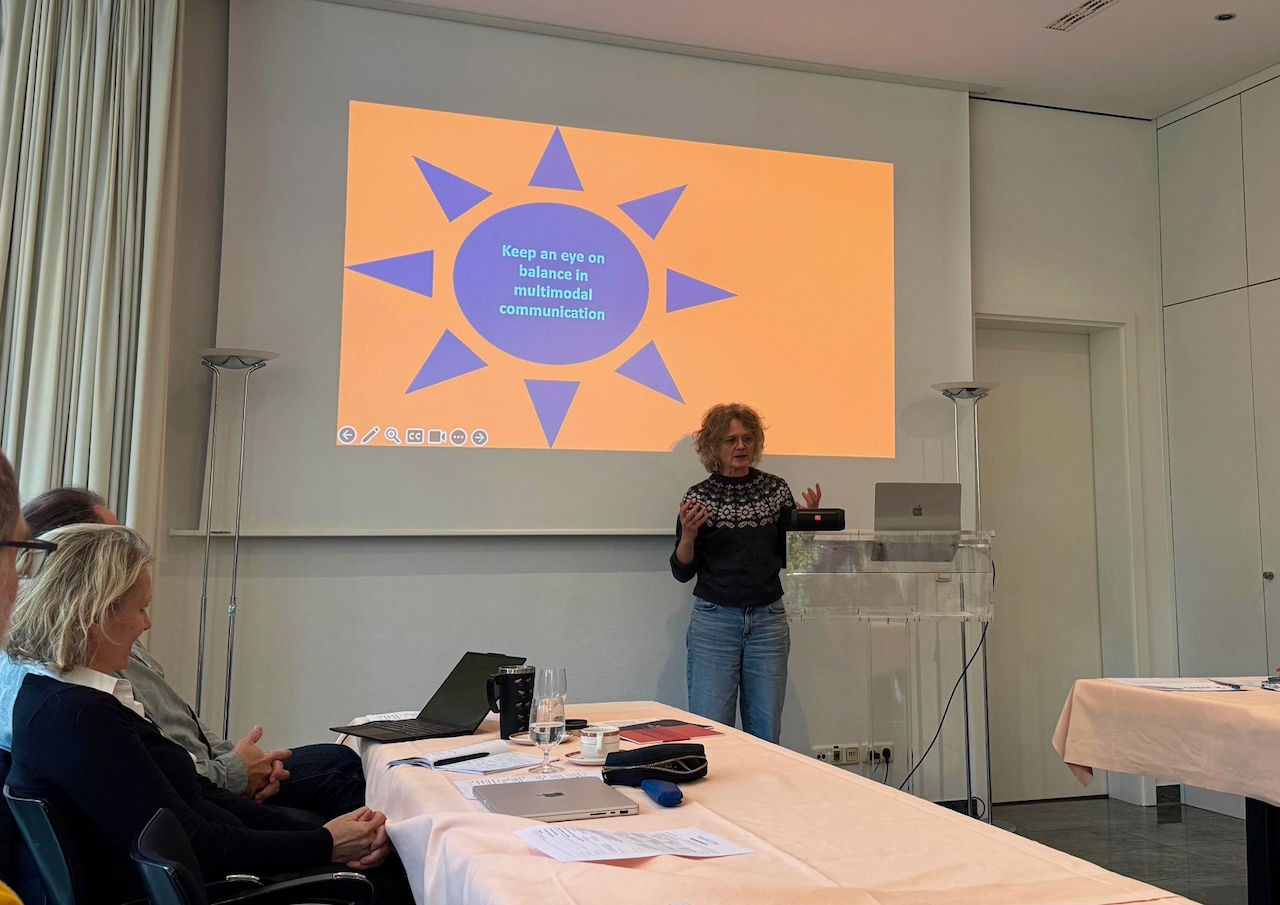
It was remarkable how much the STCs had achieved within only a few months, all the more so since every one of these projects was carried out alongside regular research and teaching. In the early afternoon, five short impulses widened the perspective beyond the STCs: on music as a multimodal practice (Magdalena Zorn, presented in absentia), on balance in multimodal communication (Susanne Fuchs), on ventriloquist acts as a potential data source for multimodal communication research (Manfred Sailer), on the speech-to-song illusion, in which a spoken phrase starts to sound like song when it is repeated (Andrey Logutov), and on referee gestures as a visual communication system (Cornelia Ebert).
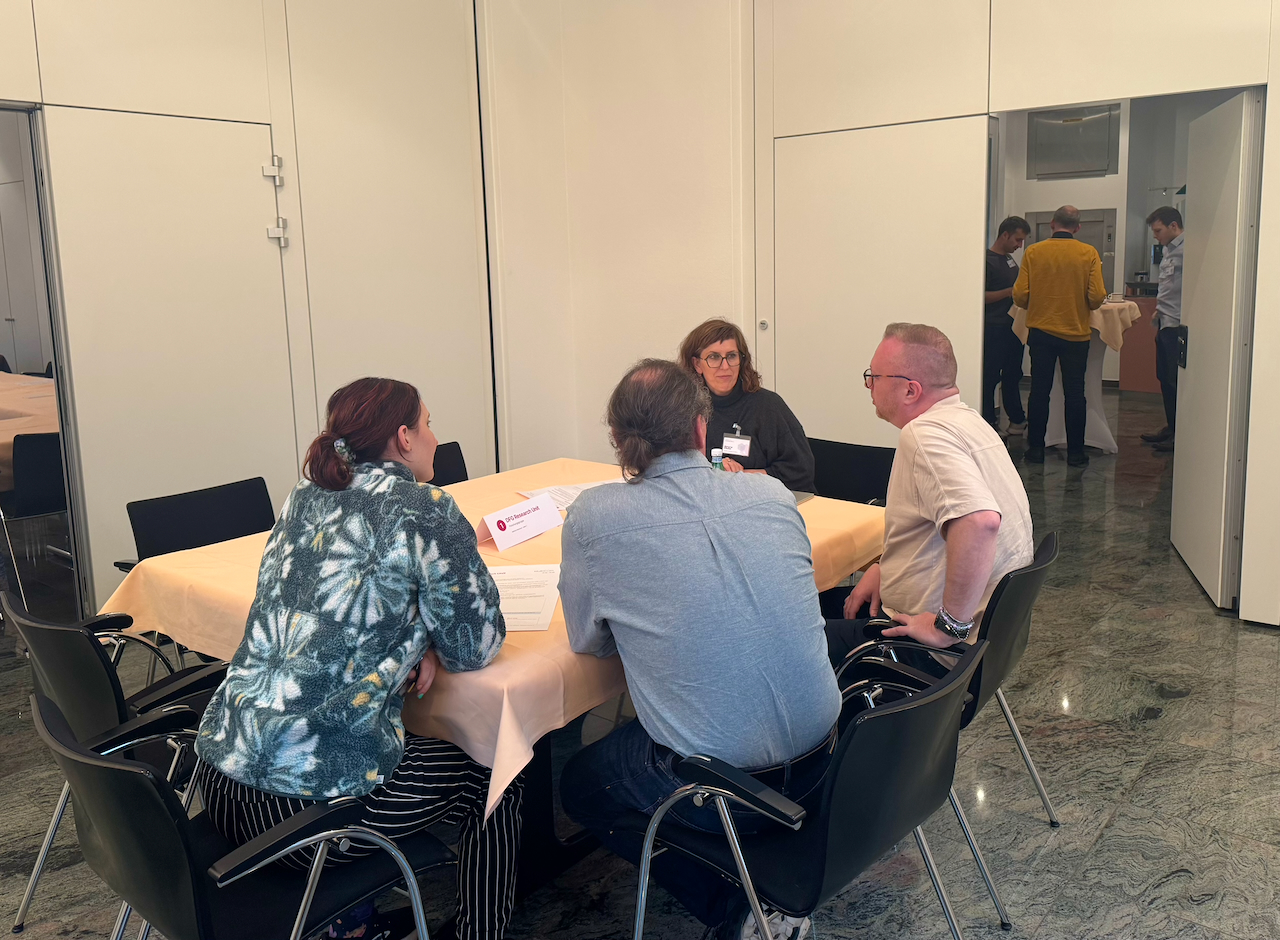
The second half of the day was devoted to the question of where MultiCom could go next. After a short overview of possible routes, from an open network for informal exchange to formats such as a DFG Research Unit, a Kolleg-Forschungsgruppe or a DFG Scientific Network, participants discussed these options in small groups at thematic stations and then in the plenary. The aim was to find out whether, and in what form, there is interest in continuing the collaboration beyond MultiCom.
The answer was a clear yes. During the workshop, a task force formed that is now planning a third MultiCom workshop in spring 2027. This workshop will be geared specifically towards preparing an interdisciplinary grant proposal centered on multimodal communication, with the first step being to work out a concrete common topic. Anyone who is interested in getting involved is very welcome to get in touch with us.
Two of the STCs will also hold events of their own early next year: a hands-on workshop on the Multimodal Appreciation Toolkit on January 29, 2027, and the workshop (Re)Imagining the Homunculus: Bodies, Senses, and Imaginary Machines on February 24–25, 2027.
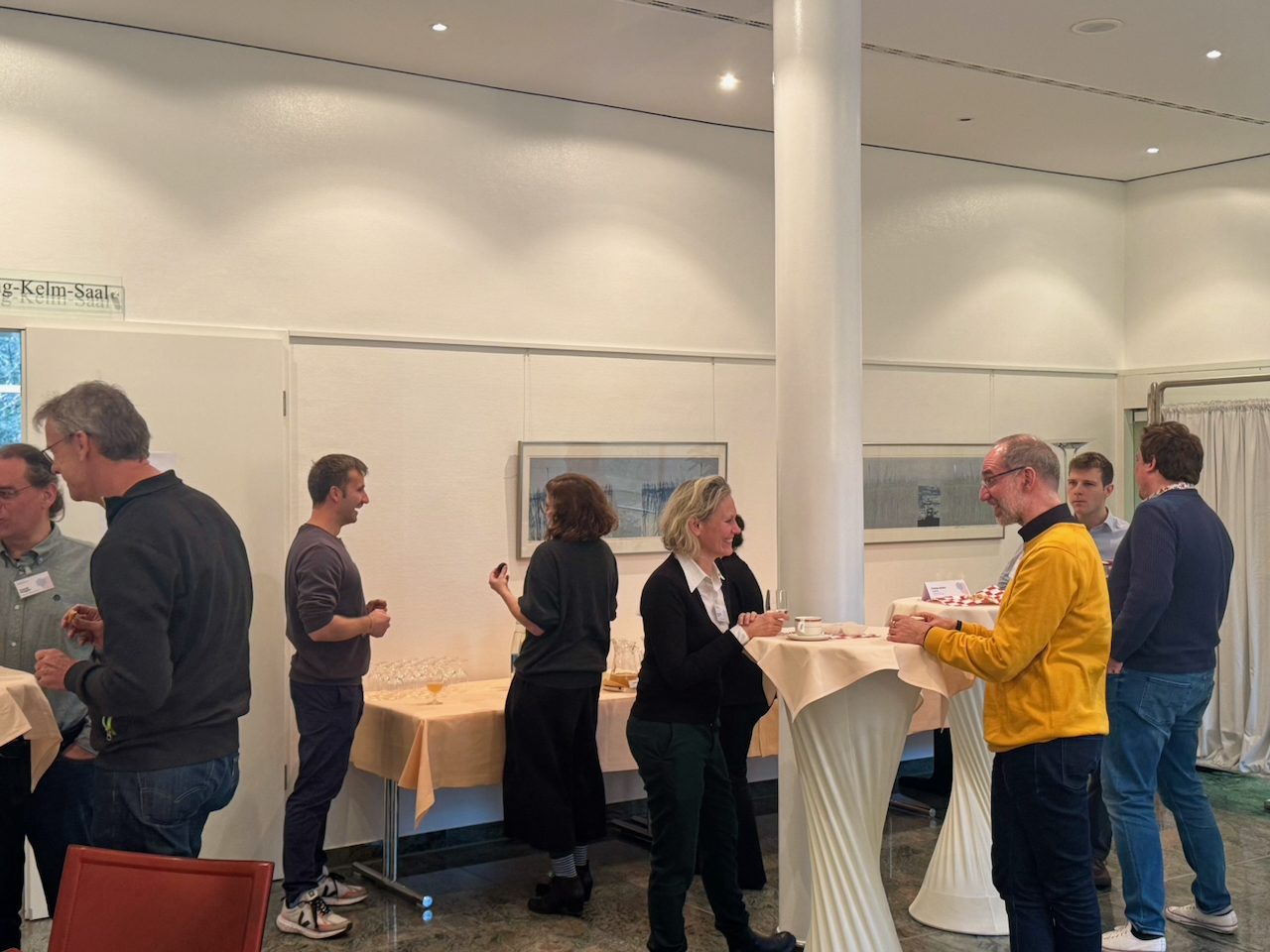
Looking back on the past six months, we are delighted with how much has happened in such a short time: eleven collaborations across disciplines, a first version of the MultiCom research directory, and now concrete plans for a joint proposal. We would like to thank all participants for their contributions and the many new ideas.